Statecraft & Independence
Landmark
Bhambatha
c. 1865 – 1906
Refused the poll tax and led the last armed Zulu rising
Landmark is level 2 of 4 in the South Africa Hall of Fame: a first that opened a door, or the pre-eminent figure of their generation in this country. See how the levels work.
Why they are here
Britain added a pound a head on top of the hut tax, expressly to force men into wage labour. He was one of the chiefs who refused, and the rising of 1906 carries his name.
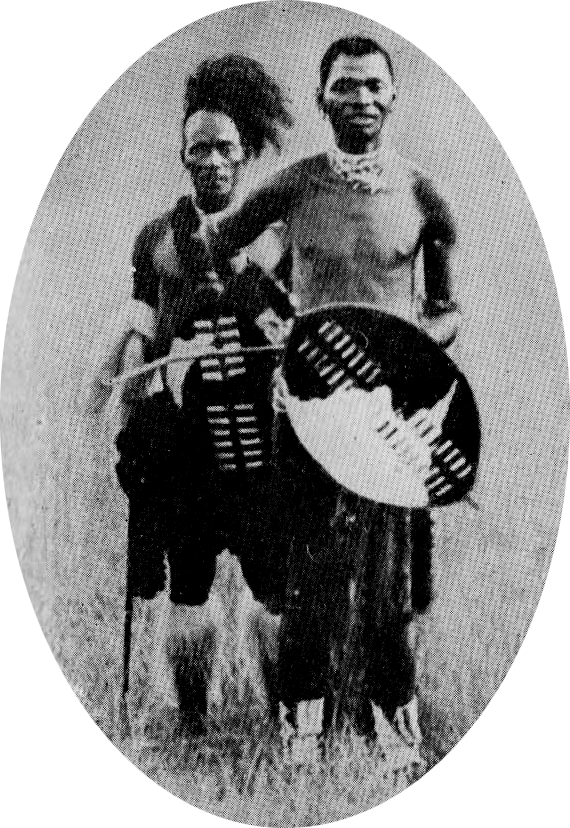
Bhambatha kaMancinza was a Zulu chief of about five and a half thousand people in Natal.
In 1906 the colonial authorities imposed a poll tax of one pound a head on top of the existing hut tax, openly intended to drive Black men into the labour market. Bhambatha was among the chiefs who refused it, and the armed rising that followed — the last of its kind in Natal — is known by his name. It was put down with heavy loss of life.
In 1906 the colonial authorities imposed a poll tax of one pound a head on top of the existing hut tax, openly intended to drive Black men into the labour market. Bhambatha was among the chiefs who refused it, and the armed rising that followed — the last of its kind in Natal — is known by his name. It was put down with heavy loss of life.
- Wikipedia — Bambatha Rebellion
- South African History Online — Bambatha Rebellion 1906
- African Studies Review — A blood-stained tax: poll tax and the Bambatha rebellion in South Africa
Spotted something wrong? Tell us and we will check it.